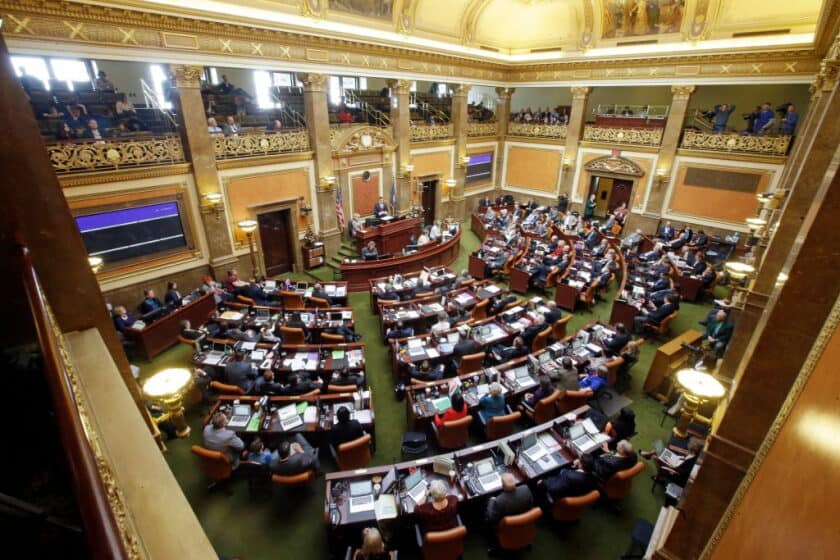
The 2026 Utah legislative general session was from January 20, 2026, to March 6, 2026. It was a 45-day sprint session where 606 House Bills and 330 Senate Bills were submitted, debated and voted upon.
A team of 15 Real Impact volunteer citizens made our best efforts to review all the bills in the legislative session, and we highlighted the 232 RICC felt most important. We sent our Support, Oppose or No Position feedback to our local elected representatives, Rex Ship, State House Representative, District 71, Carl Albrecth, State House Representative, District 70 and Evan Vickers, State Senator, District 28.
First let’s look at a macro view of just how our elected representative voted.
| RICC Position | Count | Vote | Rex Shipp | Carl Albrecht | Evan Vickers | |
| ✅ Support / Yes | 116 | Yea | 194 | 194 | 190 | |
| ❌ Oppose / No | 87 | Nea | 2 | 3 | 1 | |
| ⬜ NP / No Position | 29 | N/A | 36 | 35 | 41 | |
| Total | 232 |
Note: N/A means a combination of not able to vote on the bill, for example the bill died in committee or the other chamber, or if the representative was not present to cast their vote.
The high “Yes” vote rate by all three representatives is interesting. Plus, the fact that Representative Shipp and Representative Albrecht voted nearly the same on all bills in this sample of 232 bills also is intriguing.
Notable Bills that RICC Identified below. Click this link for The Real Impact Cedar City full list of bills submitted to our local representatives.
HB 122 – Pregnant and Postpartum Inmate Amendments: OPPOSE
- Incentives female gender dysphoria cases as they will get special therapy and treatment
- All three local representatives voted YES
HB 174 – Sex Characteristic Change Treatment Amendments: SUPPORT
- Prohibits providing cross-sex hormones and puberty blockers to minors
- All three local representatives voted YES
- Signed by the Governor on March 18, 2026
HB 183 – Sex Designation Amendments – SUPPORT
- Replaces the term gender with sex
- Repeals provisions related to gender identity, including provisions related to housing, employment, and crime
- Prohibits amendments to the sex designation field of a birth certificate and more.
- Both Representatives Shipp and Albrecht voted Yes, the bill failed to pass the Senate
SB 275 – State-Endorsed Digital Identity Program Amendments – OPPOSE
- Passed 70-0-5 in the Utah House and 26-0-3 in the Utah Senate
- All three local representatives voted YES
AI Data Center Debate
Lastly, there is an impassioned debate in Iron County regarding the development of AI Data Centers within the County and in the State of Utah. Much of the groundwork was laid in the Utah Legislature over the past two legislative sessions. Here is a summary of the relevant bills passed in the Utah legislature.
Iron County Legislative Voting Record (2025–2026)
| Bill & Year | Description | Rex Shipp (D71) | Carl Albrecht (D70) | Evan Vickers (S28) | Role (Sponsor/Floor) |
| SB 132 (2025) | The Lure: Allowed data centers to build private power plants. | YES | YES | YES | Vickers (Floor Sponsor) |
| SB 21 (2026) | Geothermal Rights: Surface owners own the heat (Geothermal). | YES | YES | YES | Vickers (Prime Sponsor) |
| HB 79 (2026) | The “Leash”: Mandatory water usage reporting for AI sites. | YES | YES | YES | Vickers (Floor Sponsor) |
| HB 184 (2026) | Land Use: Starter home/small lot zoning mandates. | YES | YES | YES | |
| HB 110 (2025) | Property Tax: Combined Basic Tax Rate Reduction. | YES | YES | YES | |
| SB 318 (2026) | Transparency: Banning government NDAs with tech firms. | YES | YES | YES | Vickers (Floor Sponsor) |
Key Takeaways
- Senator Evan Vickers: He is the most influential player in this space. He was the Prime Sponsor of the Geothermal bill (SB 21) and the Floor Sponsor for the bills allowing private power plants (SB 132) and the transparency regulations (HB 79). He is effectively the architect of the Utah AI Framework.
- The Consensus: Note that all three representatives voted YES on both the incentives (2025) and the regulations (2026). It appears the legislators are attempting to walk a fine line: allowing the economic growth of the Pronghorn style projects while responding to the public outcry over water and secrecy.
- Iron County Support: All three representatives are on the record supporting the Pronghorn development’s right to exist under the 2025 rules they passed.